
Understanding the psychological triggers that drive gambling behavior in casinos
The Allure of Risk and Reward
One of the primary psychological triggers driving gambling behavior is the allure of risk and reward. The thrill of potentially winning a large sum of money often eclipses the rational thought processes that might discourage an individual from engaging in risky behavior. Casinos capitalize on this by creating environments designed to amplify these feelings, often using bright lights, exciting sounds, and engaging game designs. When players experience the rush of winning, even small amounts, it reinforces their desire to gamble again. Those interested in a variety of options might explore golden-lion-casino-uk.com, which provides a plethora of choices for entertainment, creating a loop of behavior that can be difficult to break.

The concept of variable reinforcement also plays a significant role in gambling behavior. This psychological principle suggests that individuals are more likely to engage in a behavior when the rewards they receive are unpredictable. In a casino setting, the occasional win, especially when it’s unexpected, can lead to increased gambling activity as players chase the high of their last win. This uncertainty becomes part of the addictive nature of gambling, encouraging players to keep trying their luck in hopes of hitting it big.
Additionally, the design of games themselves often incorporates elements that exploit these psychological triggers. For example, slot machines frequently feature near-misses—when players come close to winning but do not succeed. These situations trigger excitement and anticipation, leading players to feel that they are “due” for a win, further pushing them to continue playing. Understanding these triggers can help individuals recognize the psychological mechanisms at play during their gambling experiences.
The Role of Social Influence
Social factors significantly influence gambling behavior, as many individuals are drawn to casinos for the social experience they provide. The presence of other players, whether friends or strangers, can create a sense of community and shared excitement that enhances the overall experience. This social interaction can lead to a feeling of belonging, making gambling more appealing. Many players find themselves more willing to gamble when they are surrounded by others who are also participating, which can create a feedback loop of increased gambling activity.
Moreover, social norms play a critical role in shaping attitudes toward gambling. In some cultures, gambling is seen as a social pastime, while in others, it may be frowned upon. Peer pressure can drive individuals to gamble more than they initially intended, as they seek acceptance within their social circles. This desire to conform can lead to risky gambling behaviors, as individuals may feel compelled to participate in activities they would otherwise avoid.
The impact of social media and online communities cannot be overlooked in today’s digital age. With the rise of online casinos and social gaming platforms, players can share experiences, wins, and tips, creating a sense of camaraderie that may encourage more gambling. These digital interactions can amplify feelings of excitement and competition, as players compare their successes with others, leading to further engagement in gambling activities.
Emotional Triggers and Gambling Decisions
Emotions are powerful drivers of behavior, and gambling is no exception. Many individuals turn to gambling as a way to escape negative emotions such as stress, anxiety, or depression. In these instances, gambling can serve as a coping mechanism, allowing players to temporarily forget their troubles. This emotional escape can lead to repeated gambling, as individuals seek to recreate the high associated with winning or the distraction provided by the gaming experience.
Conversely, positive emotions can also trigger gambling behavior. The excitement of celebrating a special occasion or the rush of being in a festive environment can lead individuals to gamble more than they might otherwise. Casinos often design their spaces to evoke such emotions, with lively music, complimentary drinks, and celebratory events that enhance the overall atmosphere. These environments are tailored to create a euphoric state, pushing individuals to gamble in pursuit of that emotional high.
Furthermore, the psychological phenomenon known as “loss aversion” plays a significant role in gambling behavior. Players often experience a stronger emotional reaction to losses than to equivalent wins, leading them to chase losses in an attempt to regain their previous state. This behavior can result in a downward spiral, where individuals continue to gamble in the hopes of recovering lost funds, further entrenching themselves in negative emotional cycles.
The Impact of Cognitive Biases
Cognitive biases can greatly influence gambling behavior, causing individuals to make irrational decisions. One of the most common biases is the illusion of control, where players believe they have some influence over the outcome of games that are purely based on chance. For instance, individuals may think that their betting strategies or choices in a game like blackjack can lead to better outcomes, despite the inherent randomness involved. This perception can drive individuals to gamble more frequently, as they feel empowered by their misguided beliefs.
Another significant cognitive bias is the gambler’s fallacy, which is the belief that past events will influence future outcomes in random games. For example, if a player observes a particular number appearing frequently on a roulette wheel, they may believe that number is “hot” and more likely to win again. This fallacy can lead to increased betting on that number, often resulting in significant losses when the desired outcome does not occur. Understanding these cognitive biases can help players recognize when their judgment may be clouded.
Lastly, confirmation bias can also impact gambling behavior. Players often seek out information or experiences that confirm their pre-existing beliefs about gambling, ignoring evidence that contradicts those beliefs. This can lead to an unhealthy relationship with gambling, as individuals become increasingly convinced of their ability to win, despite overwhelming evidence to the contrary. Recognizing these biases is crucial for anyone looking to manage their gambling behavior effectively.
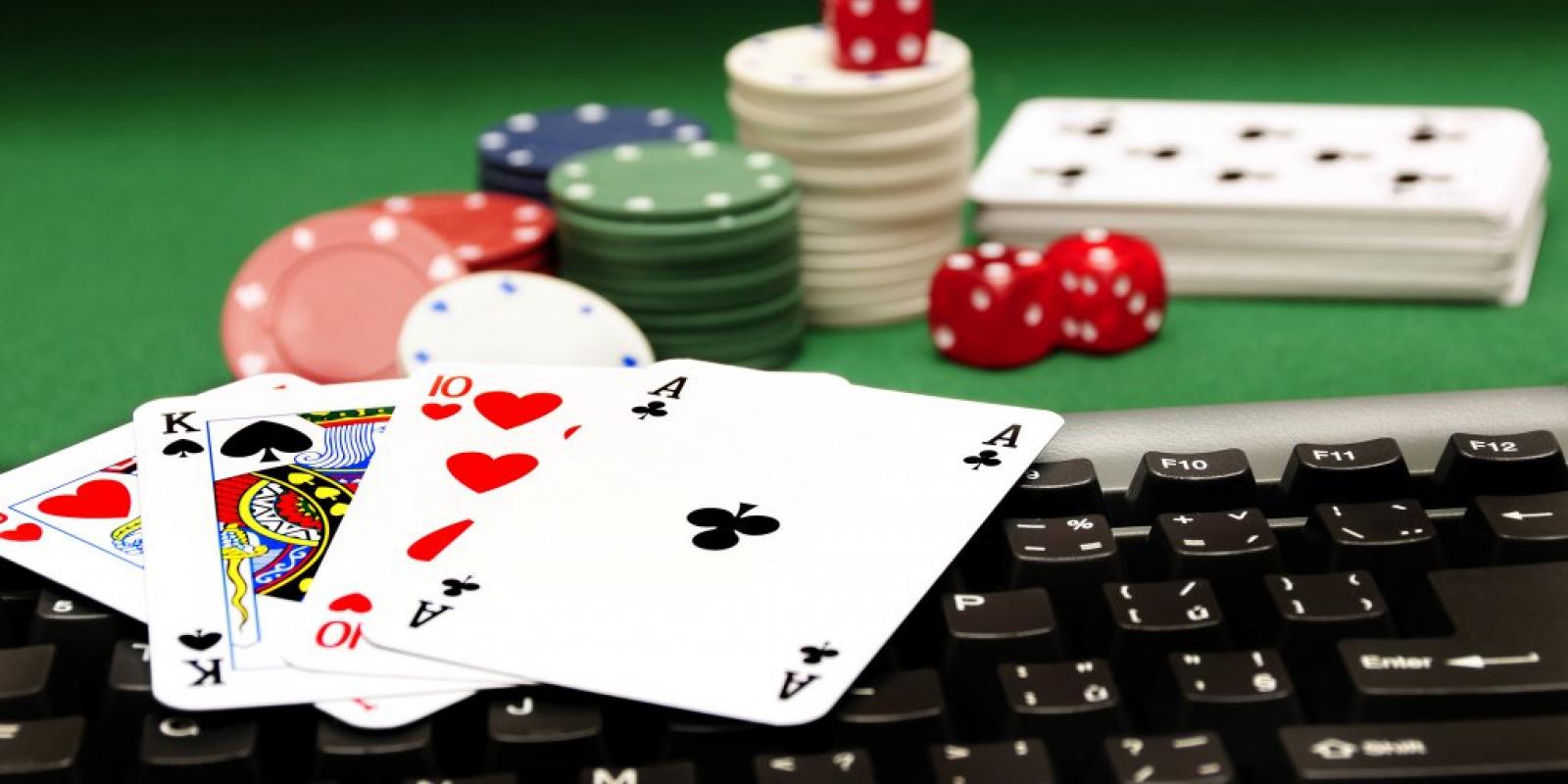
Exploring Responsible Gambling at Golden Lion Casino
At Golden Lion Casino, understanding the psychological triggers that drive gambling behavior is essential for promoting responsible gaming. The platform not only offers an extensive selection of games but also emphasizes the importance of responsible gambling practices. By providing players with tools and resources, such as self-exclusion options and deposit limits, Golden Lion Casino aims to create a safe and enjoyable environment for all users.
Furthermore, Golden Lion Casino actively educates its players about the risks associated with gambling. Through informative articles, webinars, and community outreach programs, the casino strives to raise awareness about the psychological aspects of gambling behavior. By understanding these triggers, players can make informed decisions that enhance their gaming experience while mitigating potential negative consequences.
Ultimately, Golden Lion Casino’s commitment to responsible gambling ensures that players can enjoy their time in the casino without falling victim to the psychological traps often associated with gambling. By promoting awareness and providing the necessary resources, Golden Lion Casino remains dedicated to fostering a healthy gaming environment that supports both casual gamers and serious players alike.