
At its core, card counting is based on the principle that high cards favor the player, while low cards favor the dealer. Conversely, when the deck is rich in low cards, the dealer is more likely to make a strong hand and win. When a deck has more high cards left, the player has a better chance of hitting a blackjack (which pays 3:2) or winning the hand outright.
A study conducted by the American Gaming Association revealed that approximately 60% of casino patrons lose money during their visit. Regular players may visit casinos multiple times a month, leading to cumulative losses that can be significant over time. Furthermore, the average frequency of visits to casinos can amplify these losses. The remaining 40% either break even or leave with winnings, but these winnings are often minimal compared to the overall losses.
This allows you to hone your skills without the risk of losing money. The more comfortable you are with the games, the better your chances of making strategic decisions during actual gameplay. Practice Makes Perfect:
Finally, take advantage of free play options or practice modes available in the game.
Players must be prepared to face the consequences if caught, including being banned from the casino. Card counting can be an effective way to gain an advantage in blackjack, but it requires practice, discipline, and a keen understanding of the game. Ultimately, successful card counters are those who can blend skill with strategy while maintaining a low profile in the high-stakes environment of a casino.
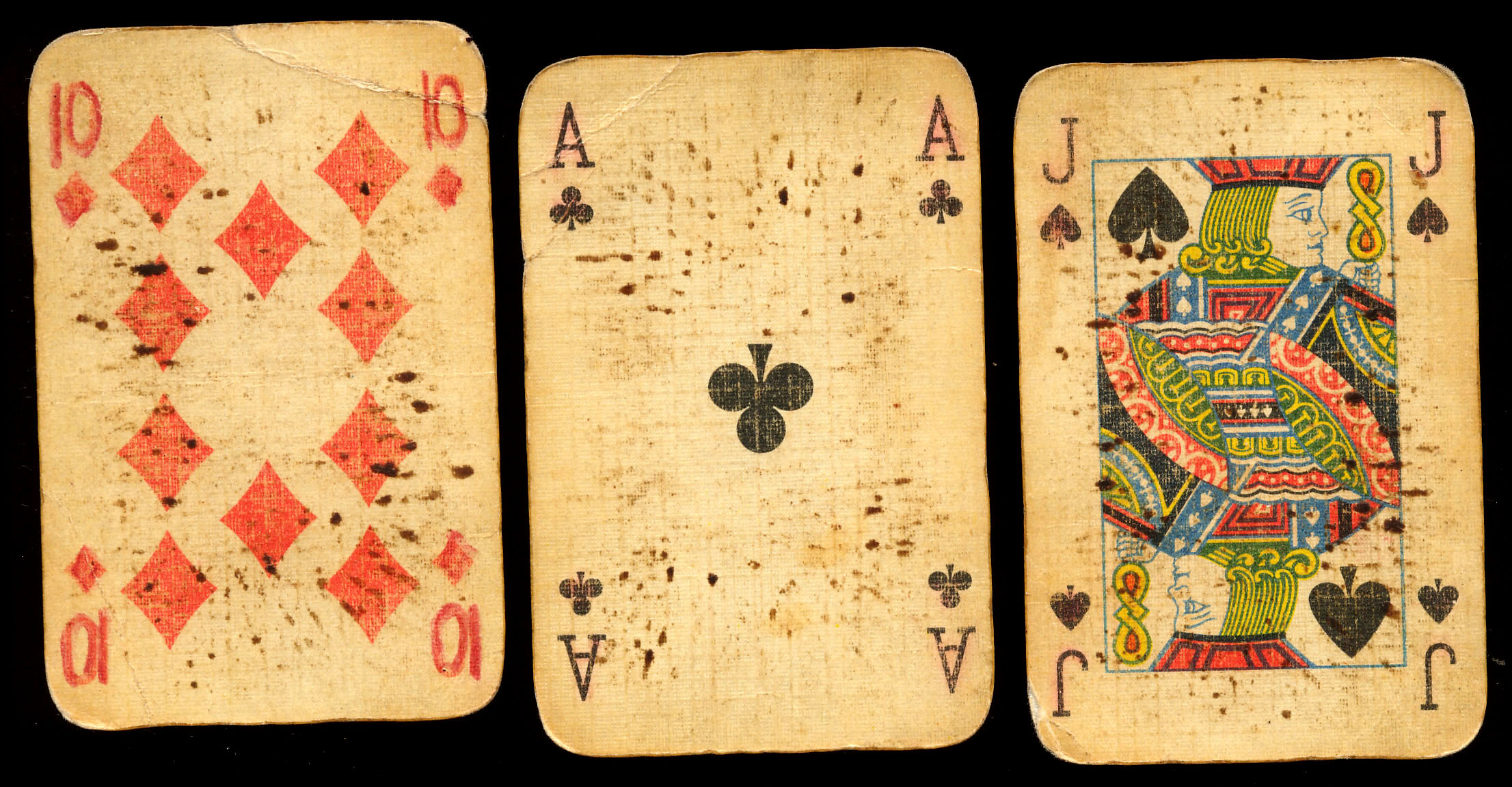
This technique involves keeping track of the ratio of high cards (10s, face cards, and Aces) to low cards (2 through 6) that remain in the deck. This case study will explore the fundamentals of card counting, its techniques, and the implications for players in a casino setting. While card counting is not illegal, betninja casino casinos often frown upon it and may ask players to leave if they suspect they are counting cards. Card counting is a strategy used by players, particularly in blackjack, to determine the likelihood of the next hand being favorable to them.
However, like many establishments, it faced unprecedented challenges due to the COVID-19 pandemic, leading to its temporary closure in March 2020. The Seneca Niagara Casino, located in Niagara Falls, New York, has been a cornerstone of entertainment and tourism in the region since its opening in 2002. Known for its vibrant gaming floors, luxurious accommodations, and a variety of dining options, the casino attracts millions of visitors each year.
This addition appeals to sports enthusiasts, providing them with an exciting way to engage with their favorite teams and events while enjoying the luxurious surroundings of the resort. The casino also hosts live entertainment events, including concerts and shows, creating a dynamic atmosphere that keeps guests entertained long after the gaming tables have closed. In addition to traditional gaming options, the Atlantis Casino also features a sports book where guests can place bets on various sporting events.
While card counting can provide an edge, it is not foolproof. While card counting is legal, casinos reserve the right to refuse service to anyone they suspect of employing this strategy. Additionally, players need to be aware of the legal and ethical implications of their actions. Casinos are aware of this strategy and employ various countermeasures, such as using multiple decks, shuffling frequently, and training dealers to spot potential counters.
Step 4: Gathering Intel
After selecting the approach, players need to gather intel on the casino. This includes completing setup missions that provide crucial information about the casino’s layout and security systems. These missions can be completed in various ways, depending on the chosen approach.
In conclusion, while casinos can provide entertainment and excitement, the statistics reveal a sobering reality for the average player. It is essential for individuals to approach gambling with caution, set limits, and be aware of the potential for loss. Understanding these dynamics can help players make informed decisions and enjoy their casino experience responsibly. With losses averaging between $500 to $1,000 per visit, the financial implications of gambling can be significant.
 Silent & Sneaky – This method requires stealth and involves avoiding detection. Aggressive – A full-on assault that involves heavy gunfire and chaos. The Big Con – This approach uses disguises to infiltrate the casino.
Bet Sizing: When the count is high, players should increase their bets to capitalize on the favorable conditions. Practice in Isolation: Players can practice counting cards at home using a single deck, ensuring they can keep track of the count without distractions. Conversely, they should bet the minimum when the count is low. Use of Camouflage: In a casino setting, players should blend in by varying their betting patterns and not consistently raising their bets when the count is favorable.