
Exploring the Evolution of Gambling Through History
The Origins of Gambling
The practice of gambling can be traced back to ancient civilizations, where it was often intertwined with religious and social rituals. Archaeological evidence indicates that various forms of gambling, such as dice games and betting on the outcomes of events, were prevalent in societies like Mesopotamia and Ancient Egypt. The invention of dice around 3000 BC played a significant role in shaping the early gambling landscape, as it provided a simple yet exciting form of entertainment for both the elite and the common people. Many players today experience the thrill of online gaming at platforms like www.euromaniacasino.uk, where modern games echo these age-old traditions.

As societies evolved, so did the methods of gambling. In Ancient Rome, for instance, gambling became a popular pastime, particularly among soldiers and citizens during festivals. The Romans introduced more sophisticated games and betting systems, laying the groundwork for modern gambling practices. With the expansion of the Roman Empire, gambling spread across Europe, influencing local cultures and leading to the development of various regional gambling games.
By the Middle Ages, gambling was firmly entrenched in European culture, with games like cards becoming increasingly popular. The invention of playing cards in the late 14th century marked a pivotal moment in gambling history, introducing a new dynamic to the gaming experience. Gambling houses began to emerge, setting the stage for the formalization of casinos in the centuries to follow.
The Birth of Modern Casinos
The concept of a casino as we know it today began to take shape in the 17th century with the opening of the first official gambling house in Venice, Italy. This establishment offered various games of chance, attracting nobles and wealthy patrons. The term ‘casino’ itself derives from the Italian word for a small villa or summerhouse, emphasizing the social aspect of gambling during this period. As gambling gained popularity, similar establishments sprang up across Europe, particularly in France and Germany.
In the 18th century, the game of roulette was developed in France, and it quickly became a favorite among gamblers, further solidifying the casino’s role in society. The allure of casinos grew as they became synonymous with luxury and excitement, attracting individuals from all walks of life. By the 19th century, the establishment of casinos in places like Monte Carlo and Baden-Baden marked the rise of gambling as a glamorous entertainment option for the elite.
The 20th century witnessed a significant transformation in the casino industry, especially with the legalization of gambling in various regions, including Las Vegas, Nevada. The growth of Las Vegas as a gambling capital was fueled by innovative marketing strategies and extravagant casino designs, attracting tourists from around the globe. This era not only revolutionized the casino experience but also established gambling as a legitimate form of entertainment and a significant contributor to local economies.
The Impact of Technology on Gambling
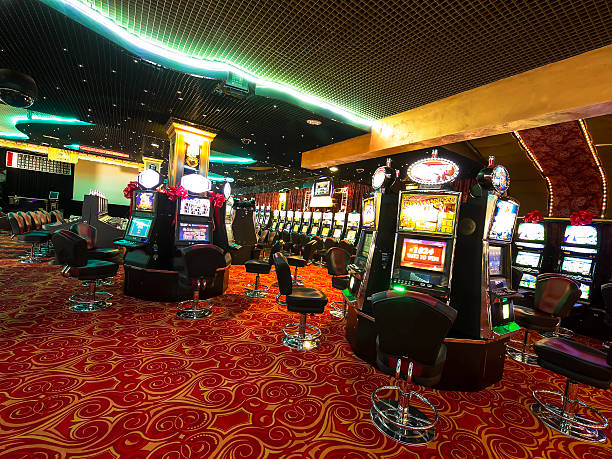
The advent of technology has significantly transformed the gambling landscape over the decades. The introduction of electronic slot machines in the 1960s revolutionized the gaming experience, offering players a faster and more engaging way to play. These machines quickly became a staple in casinos, drawing in more visitors and increasing revenues. As technology continued to evolve, so did the variety and complexity of games offered within casinos.
The rise of the internet in the late 20th century marked another pivotal moment in the history of gambling. Online casinos emerged, allowing players to gamble from the comfort of their homes. This shift not only expanded the audience for gambling but also introduced new formats and gaming experiences, such as live dealer games that replicate the atmosphere of traditional casinos. The convenience and accessibility of online gambling have made it an attractive option for many, resulting in unprecedented growth in the industry.
Mobile technology further enhanced the gambling experience, as smartphones became ubiquitous. Players can now access their favorite games anywhere and anytime, leading to the development of dedicated mobile casinos. This has sparked a new wave of innovations, such as gamified betting experiences and personalized loyalty programs, catering to the modern player’s preferences. The fusion of technology and gambling continues to reshape the industry, creating a dynamic environment where trends can change rapidly.
The Regulation and Ethics of Gambling
As gambling became more widespread, the need for regulation and oversight became paramount. Governments around the world recognized the potential for gambling to contribute to economic growth but also acknowledged the social implications. This led to the establishment of regulatory bodies designed to ensure fair play, protect consumers, and mitigate potential negative consequences associated with gambling addiction. Responsible gambling initiatives have become an essential aspect of the regulatory framework, promoting awareness and support for individuals struggling with gambling-related issues.
Different countries have adopted varying approaches to gambling legislation, reflecting cultural attitudes and societal norms. Some regions, like the United Kingdom, have implemented comprehensive regulatory frameworks that allow for both land-based and online gambling, while others, such as the United States, have a more fragmented approach. The differences in regulation create unique challenges for players and operators, emphasizing the importance of understanding local laws before engaging in gambling activities.
Ethical considerations also play a significant role in the evolution of gambling. Issues such as fairness, transparency, and the treatment of gambling addiction have prompted ongoing discussions within the industry. Operators are increasingly being called upon to adopt ethical practices, including promoting responsible gambling and ensuring that players have access to resources for support. As the gambling landscape continues to evolve, striking a balance between profitability and social responsibility remains a critical challenge.
EuroMania Casino: A Modern Gambling Experience
In the current landscape of online gambling, EuroMania Casino stands out as a premier platform dedicated to providing an exceptional gaming experience. With a wide variety of offerings, including slots, table games, and live dealer options, EuroMania caters to diverse player preferences. The casino operates within a secure and licensed environment, ensuring that players can enjoy their favorite games with peace of mind.
EuroMania Casino prioritizes player satisfaction, offering generous bonuses and efficient payment methods that enhance the overall gaming experience. The website is designed for seamless navigation, allowing players to explore its extensive range of games effortlessly. Additionally, the responsive customer support team is always available to assist with any inquiries, fostering a welcoming and user-friendly atmosphere for all players.
As the gambling industry continues to evolve, EuroMania Casino remains committed to providing a modern and engaging platform for its players. By integrating innovative features, such as loyalty programs and promotions, EuroMania enhances player engagement while ensuring a high-quality gambling experience that reflects the rich history and evolution of this timeless pastime.